Designing Seamless Connections: How Celcom Shapes Customer Experience and Service Design
Designing Seamless Connections: How Celcom Shapes Customer Experience and Service Design.

In today’s competitive business world, Customer Experience (CX) has become just as important as the product or service itself. Companies that deliver smooth, engaging, and personalized experiences are more likely to earn customer loyalty and long-term success. Service design plays a crucial role here, ensuring that every stage of the customer journey pre-sale, sale, and post-sale which is carefully structured to create value. To understand this better, I visited a Celcom Bluecube outlet at Alamanda, Putrajaya. From the moment I walked in, I observed how Celcom used digital tools, physical layout, and well-trained staff to provide a seamless and efficient service journey. By connecting my experience with the principles of Topic 10, I realised that Celcom’s customer-first approach is a strong example of how CX and service design go hand in hand in today’s digital landscape.
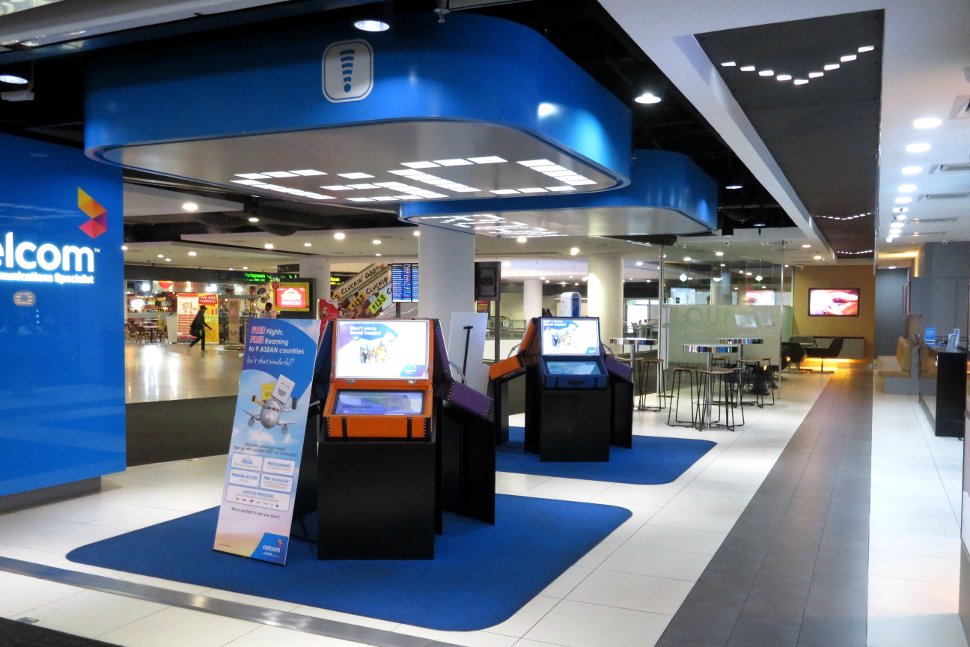
When I first entered the Celcom store, I was greeted by a digital queue ticketing system. Customers simply tapped the screen to choose their service type for bill payment, SIM replacement, or new plan registration and received a number that appeared on the display screens. This reflects the service design principle of sequencing, breaking down the process into clear, manageable steps. At the same time, it reduces waiting stress since customers can sit comfortably while monitoring their turn. The store also displayed posters and digital screens promoting new packages, such as unlimited data plans, with QR codes that linked directly to the Celcom app. This is an example of evidencing, making offers tangible and accessible. Personally, I found this pre-sale stage efficient and welcoming, because it gave me time to explore service options without feeling pressured. It demonstrated how Celcom strategically designs the awareness and consideration phases of the CX journey to be simple, transparent, and customer-friendly.
The in-store service experience highlighted how service design and CX principles were applied in real time. The layout was open and modern, with dedicated areas for consultation, payments, and product showcases. Staff members were attentive, greeting customers and assisting those unfamiliar with the digital kiosks. This reflects the user-centric and co-creative principles of service design that where both customers and employees shape the experience together. I noticed that the customer service representatives had tablets that displayed the customer’s history, making interactions smoother and more personalized. For example, when a customer approached with billing questions, the staff already had their profile and could provide immediate solutions. This reflects holistic design, where frontstage (staff interactions) and backstage (digital systems) are integrated. From my perspective, this created a sense of professionalism and trust. It was clear that Celcom doesn’t just sell phone plans, it designs an environment where speed, clarity, and support are prioritized to ensure a consistent brand experience.
What impressed me most was how Celcom managed the post-sale stage, ensuring that the customer relationship continues beyond the store. For instance, after completing transactions, customers received digital receipts via SMS and email, which is a form of evidencing that builds trust. The staff also encouraged customers to download the Celcom Life app, which allows them to pay bills, track data usage, and receive personalized promotions. This shows the integration of digital service design, extending the experience into customers’ daily lives. Additionally, the receipt and app both offered links to customer satisfaction surveys, creating a feedback loop that supports continuous improvement. This aligns with the feedback-driven iteration emphasized in Topic 10. I also noticed that Celcom integrates with online chat support and AI chatbots, allowing customers to resolve issues without returning to the store. Personally, I felt that these touchpoints made the overall journey more convenient and reliable. It reinforced the idea that CX does not end with the purchase, it is about building long-term trust and loyalty through proactive service.

My visit to the Celcom outlet gave me a deeper understanding of how Customer Experience and Service Design are implemented in practice. From the structured queue system and clear promotional displays to personalized in-store service and efficient post-sale support, every element was carefully designed with the customer in mind. What stood out most to me was how Celcom extends the experience beyond the store through its mobile app, digital receipts, and feedback channels, ensuring consistency across both physical and digital touch points. This experience showed me that excellent CX is not about one single moment, but about creating a connected journey that builds trust and loyalty over time. Ultimately, Celcom’s approach demonstrates how businesses can turn a simple telco service into a meaningful customer relationship by applying effective service design practices.


Comments
Post a Comment