More Than Just Shopping: How Watsons Uses CRM to Build Customer Loyalty
More Than Just Shopping: How Watsons Uses CRM to Build Customer Loyalty.

Customer Relationship Marketing (CRM) is no longer about just keeping customer data, it is about building long-term relationships through personalized experiences, loyalty programs, and seamless service integration. Today, retailers like Watsons demonstrate how CRM strategies can transform a simple shopping trip into an engaging and rewarding experience. During my recent visit to Watsons at Evo Mall, Bangi, I observed how the company leverages its loyalty program, mobile app, and digital promotions to connect with customers on a deeper level. From earning and redeeming points to receiving personalized notifications and discounts, Watsons makes the shopping journey more engaging while strengthening customer trust. Linking this to Topic 9, my experience highlighted how CRM practices such as segmentation, personalization, and omnichannel integration are implemented in real life. This visit showed me that CRM is not just about technology but about creating value for customers and nurturing lasting connections.

One of the most striking features of Watsons’ customer strategy is the Watsons Club membership program. At the store entrance and near the cashier, I noticed several posters promoting the benefits of being a member, including earning points, redeeming rewards, and accessing exclusive discounts. While shopping, I saw customers scanning their Watsons card or app to collect points instantly. This reflects the loyalty program strategy from Topic 9, where companies encourage repeat purchases by rewarding consistent patronage. What stood out to me was how Watsons creates a sense of exclusivity. Members get “members-only prices” that are visibly displayed on shelves. This creates both financial and emotional value, motivating customers to join and stay loyal. Personally, I found the program appealing because it gives a sense of progress, every purchase adds points toward a future benefit. This connects with CRM’s customer retention objective, proving that loyalty programs are more cost-effective than constantly trying to attract new customers. Watching how customers interacted with the program made me realize that CRM is not just about sales, but about cultivating loyalty through consistent rewards and recognition.
Another important aspect of Watsons’ CRM strategy is personalization. While browsing through the Watsons app, I noticed that promotions and coupons were tailored to specific shopping habits. For instance, customers who often buy skincare products receive targeted discounts on facial cleansers, while health-conscious shoppers see offers on supplements. This matches the segmentation and personalization strategies, where businesses divide customers into meaningful groups and design tailored promotions. I also saw how Watsons sends personalized push notifications such as birthday discounts or reminders about points expiring, which strengthens the emotional connection with customers. These data-driven strategies reflect the analytical CRM model, where customer information is transformed into insights that drive engagement. Personally, I was impressed by how accurate and relevant the offers were. Instead of overwhelming customers with generic promotions, Watsons ensures that each customer feels recognized and valued. This experience made me realize how personalization is now essential in retail, not only to increase sales but also to build trust and long-term loyalty.
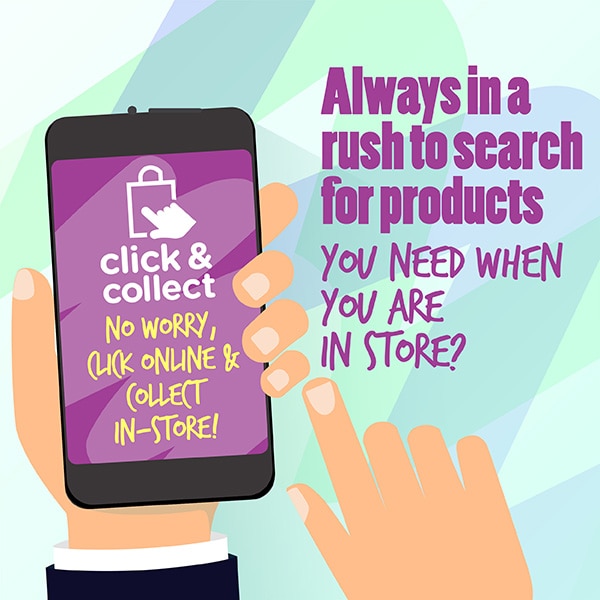
Watsons also excels at integrating its CRM system across different channels to create a seamless shopping experience. During my visit, I noticed that the Watsons mobile app could be used not only for collecting points but also for online shopping, in-store payment, and accessing health and beauty tips. I even saw customers using the app to scan products for instant information and digital coupons, which reflects the operational and collaborative CRM approach. Moreover, Watsons’ system ensures that online and offline experiences are connectedcustomers can order products online and pick them up in-store, or vice versa. This is a strong example of omnichannel CRM, where every touchpoint, whether physical or digital, is integrated to improve customer satisfaction. What impressed me most was how interactive the system felt. For example, customers could instantly rate products, leave reviews, or contact customer service through the app. This closed the feedback loop, allowing Watsons to collect real-time insights for continuous improvement. Observing this seamless integration taught me that modern CRM is not just about technology but it’s about creating a smooth, consistent, and engaging customer journey from start to finish.
My visit to Watsons helped me truly understand how Customer Relationship Marketing works in practice. The Watsons Club loyalty program, personalized promotions, and omnichannel app integration all work together to create meaningful, long-term customer relationships. These strategies reflect the core principles of Topic 9, such as personalization, segmentation, and customer-centricity. What stood out to me most was how Watsons successfully blends data-driven marketing with emotional engagement, turning a simple shopping trip into a personalized experience that customers value. It became clear that CRM is not only about collecting data but about using it responsibly to build trust and loyalty. For me, this experience highlighted how retailers like Watsons gain a competitive advantage by prioritizing customer relationships, proving that strong CRM strategies are essential for success in the digital age.


Comments
Post a Comment