Experiencing AI at McDonald’s: How Self-Ordering Kiosks Redefine Customer Service in Malaysia
Experiencing AI at McDonald’s: How Self-Ordering Kiosks Redefine Customer Service in Malaysia
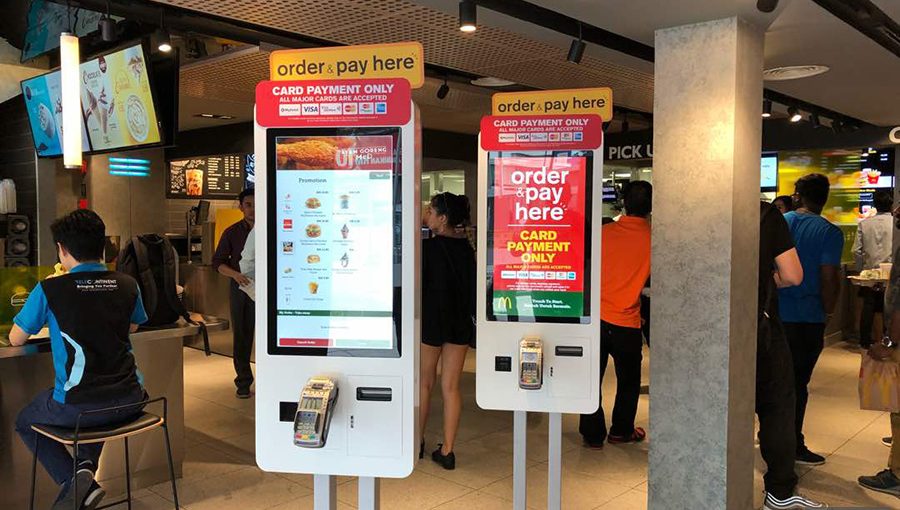
The rapid integration of artificial intelligence (AI) in digital business is no longer limited to tech companies. it is now shaping how we order food, shop, and interact with services. To see this in action, I visited a McDonald’s outlet in Seksyen 9, Bandar Baru Bangi that uses AI-powered self-ordering kiosks. These kiosks go beyond being digital menus and they incorporate recommendation algorithms to suggest meal upgrades, optimize the ordering process, and reduce waiting time. This visit gave me a real-life perspective on how businesses are using AI to improve efficiency and enhance customer experience. In this blog, I will share my observations and experiences at the restaurant, highlight the role of AI in transforming simple transactions into smarter interactions, and connect it to the broader concept of AI in digital business as discussed in Topic 4.
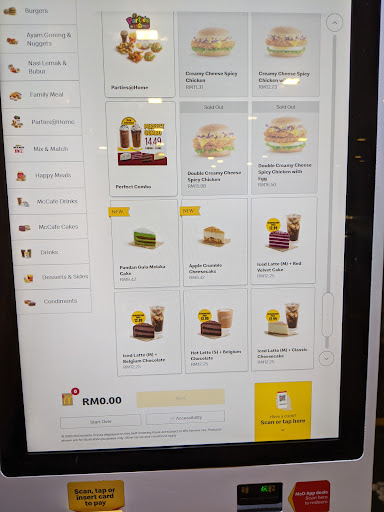
Walking into the McDonald’s restaurant, the first thing that caught my eye was the row of bright, interactive self-ordering kiosks. Instead of lining up at the cashier, I approached the screen and noticed how easy it was to browse through the menu. What made the experience interesting was the subtle presence of AI in the system. For example, after I selected a burger meal, the kiosk suggested upgrading my order with fries and a drink at a discounted bundle. This was not random as it was a recommendation system powered by AI analyzing common customer patterns. Similar to how Netflix suggests shows or Spotify recommends playlists, McDonald’s AI learns which combinations customers are most likely to enjoy. The process felt smooth, fast, and user-friendly. It also reduced the human interaction required, which is efficient during peak hours. This reflects how AI in digital business supports operational efficiency, decision-making, and customer engagement, just as highlighted in our lecture notes. Instead of just ordering food, I realized I was engaging with an AI system designed to maximize sales and enhance convenience.
As I navigated through the kiosk, I realized how AI transformed my experience into something more personal. The interface did not only show a static menu but actively guided me through options. For instance, when I clicked on desserts, the kiosk highlighted seasonal promotions like the new McFlurry flavor. This personalization creates excitement for the customer and, at the same time, boosts McDonald’s revenue through upselling. From a business perspective, this is a powerful example of how AI drives sales and improves customer satisfaction simultaneously. I also noticed that the kiosk supported multiple languages and displayed nutritional information instantly, which shows the adaptability of AI to meet diverse customer needs. The ordering process was faster, queues were shorter, and staff could focus more on preparing food rather than handling complex orders. This aligns with the benefits of AI in business operations such as cost reduction, improved efficiency, and enhanced customer experience as discussed in Topic 4. It was clear that AI was not just a fancy tool but a core element of McDonald’s strategy to remain competitive in the fast-food industry.
While my experience was positive, I also reflected on some challenges AI might bring to businesses like McDonald’s. For instance, older customers or those not comfortable with technology might struggle to use the kiosks. This highlights the importance of balancing AI integration with traditional options. Additionally, AI systems depend heavily on data collection. Every time a customer places an order, the system gathers insights on preferences and trends. While this helps McDonald’s tailor their services, it also raises ethical concerns about data privacy and transparency, which were issues highlighted in our Topic 4 lecture. Despite these challenges, I see great potential in how McDonald’s and similar restaurants can further develop AI applications. Imagine kiosks that recognize frequent customers, remember past orders, and offer personalized discounts automatically or integrating AI with mobile apps so that a customer can place an order before arriving, with the food ready upon entry. These possibilities show that AI is not just enhancing customer service today but will continue to reshape how businesses interact with consumers in the future.
My visit to McDonald’s gave me valuable insights into how artificial intelligence is applied in everyday business operations. The AI-powered self-ordering kiosks demonstrated how technology can make ordering more efficient, reduce queues, and enhance customer satisfaction through personalized recommendations. At the same time, I became aware of the challenges such as customer adaptation and ethical concerns about data use. This experience connected perfectly with Topic 4 of our digital business course, which emphasized how AI drives efficiency, decision-making, and customer engagement while also requiring businesses to consider integration challenges and ethical issues. Overall, the visit reinforced my understanding that AI is not just a futuristic concept but it is already here, shaping the way we eat, shop, and interact with businesses. For me, this was more than a fast-food meal, it was a practical lesson in how digital business strategies are transforming traditional industries into smarter, more efficient ecosystems.


Comments
Post a Comment