Digital Revolution in Malaysian Businesses: A Tale of Technology and Opportunity
Get link
Facebook
X
Pinterest
Email
Other Apps
Digital Revolution in Malaysian Businesses: A Tale of Technology and Opportunity
WEEK 1 : INTRODUCTION TO DIGITAL BUSINESS
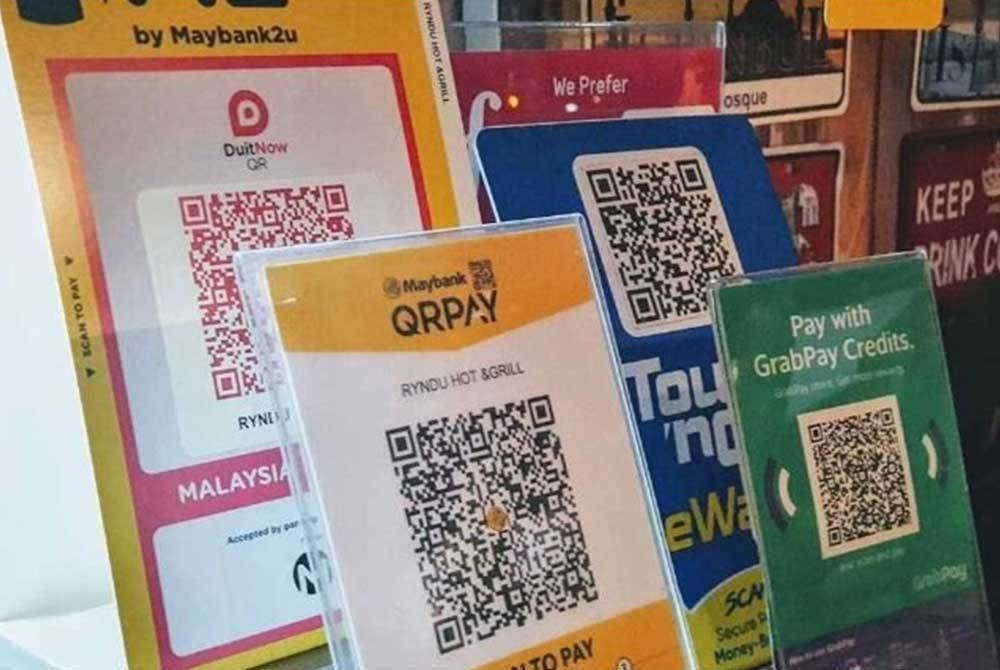
In Malaysia, the way people shop is quietly but quickly changing. More and more, paying with cash is being replaced by simply scanning a QR code. This isn’t just a new way to make payments but it’s changing how businesses run. This change is called Digital Business. It’s more than just selling online or using technology but also it’s about creating new ways of doing business that mix the physical and digital worlds together.
(From Cash Counters to Contactless - The New Era of Digital Business)
Consider a local "mamak" stall, a cornerstone of Malaysian social life. Historically, transactions were purely physical and the rhythmic clink of coins, crumpled ringgit notes, and the waiter jotting down orders on a small pad. Now, many of these stalls proudly display QR codes from MAE, TNG, Boost, or GrabPay. When a customer scans the code, they are not just paying but they are engaging with a digital business model. The transaction is instantly recorded, the payment is cashless and secure, and the process is integrated into a larger digital ecosystem. This simple act transforms the traditional business model by reimagining a core process and integrating new technology into its foundation. This adoption of digital payments represents a significant leap from the "analog era" of physical processes to a modern, digitally-enabled operation.
The adoption of QR payments by businesses of all sizes in Malaysia, from small food stalls to large retail chains, is a clear example of digital transformation. It demonstrates how technology is not just an add-on, but a core component that changes business operations and creates new value for both the business and its customers.
TOPIC 2 : OPPORTUNITY ANALYSIS FOR DIGITAL BUSINESS & E-COMMERCE
(Seizing the Moment - how QR Payments Became a Market Opportunity)
Opportunity analysis is the systematic process of identifying, evaluating, and capitalising on new business ventures by analysing market trends and consumer behaviour. For Malaysian businesses, especially those in the food and beverage sector, the rise of QR payments was a prime example of an untapped opportunity. When the COVID-19 pandemic hit, businesses faced a significant threat: a sudden drop in foot traffic and a widespread fear of handling cash. This crisis, however, became an opportunity for agile businesses to thrive.
A progressive cafe in Kuala Lumpur, for instance, didn't just add a QR code for payments; they integrated it into their entire customer journey. They saw that customers wanted speed and safety. By providing a quick, contactless payment option, they offered a new value proposition which is a unique benefit that differentiated them from competitors. The cafe leveraged social media and digital marketing to highlight their seamless and safe payment process, attracting new customers and retaining existing ones. The key insight was that contactless payment wasn't just a convenience but a necessity, and by acting on this market trend, they captured a new segment of digitally-savvy customers who valued a modern and safe experience.
TOPIC 3 : MANAGING DIGITAL BUSINESS INFRASTURCTURE
(The Invisible Backbone - Managing the Infrastructure of a Simple Scan)
Behind every successful QR payment is a complex system of digital business infrastructure. This isn't just about the phone in your hand or the QR code sticker on a counter. It’s the combination of hardware, software, networks, and processes that make the entire digital transaction possible. For Malaysian businesses, the infrastructure is managed by major players like TNG Digital, Boost, and GrabPay, whose platforms act as the backbone of the payment system. When a customer scans a QR code at a Bang Joni Kopitiam, a series of events happens in milliseconds. The mobile application (software) sends a request through the telecommunications network (a key component of digital infrastructure ) to a cloud computing platform. This cloud platform processes the transaction, communicates with the business’s bank, and updates the customer’s and the merchant’s digital wallets. The efficiency and reliability of these transactions rely on robust infrastructure that is scalable to meet demands and secure enough to handle sensitive financial data. The ability to scale on demand and provide seamless connectivity is the reason platforms like TNG Digital can handle millions of transactions daily across the country.
Brewing Buzz Online: How Tealive Uses Digital Marketing and Social Media to Stay Ahead. In today’s business landscape, digital marketing and social media strategies are no longer optional, they are the backbone of brand visibility and customer engagement. Businesses that fail to embrace digital platforms risk being left behind in an increasingly competitive environment. Recently, I visited a Tealive outlet at Ioi City Mall, Putrajaya, A popular beverage chain in Malaysia known for its strong online presence. While I was there, I noticed how Tealive integrates social media marketing, influencer campaigns, and digital promotions into their everyday customer experience. From QR codes that connect directly to their app, to exclusive online promotions that drive store traffic, it was fascinating to see how theory from Topic 7 comes to life in a real business. This visit helped me understand how digital marketing strategies are, like content creation, customer personalization, and performanc...
Shopee: The All-in-One Digital Business Experience. As I progressed through this course, I learned how various aspects of digital business such as supply chain, digital marketing, CRM, customer experience, and ethics that interconnect to form a holistic strategy. To tie these ideas together, I reflected on my experience shopping with Shopee , one of Southeast Asia’s largest e-commerce platforms. Unlike a single restaurant or retail store, Shopee integrates multiple elements of digital business into one seamless platform. From AI-driven product recommendations to secure payment gateways and customer loyalty programs, Shopee provides an excellent example of how businesses apply the theories I studied in real life. This blog is slightly different from my previous entries, as it serves as capstone reflection that bringing together lessons from earlier topics and showing how they coexist in a single business model. One of the most impressive features of Shopee is its ...


good blog will recommend 10/10
ReplyDelete